
3 November 2026
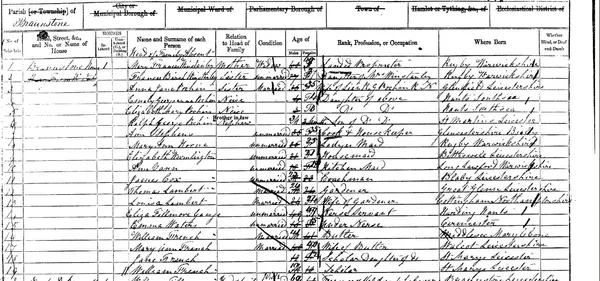
Why your ancestor's age changes in every census
The same woman is 24 in 1841, 36 in 1851 and 44 in 1861. Nobody is lying to you, or at least not always. Here is what census ages really mean and how to pin the truth down.
The blog
Honest, practical writing on tracing your family history: what things cost, where the records are, and how to get past the walls that stop most people.
The same woman is 24 in 1841, 36 in 1851 and 44 in 1861. Nobody is lying to you, or at least not always. Here is what census ages really mean and how to pin the truth down.
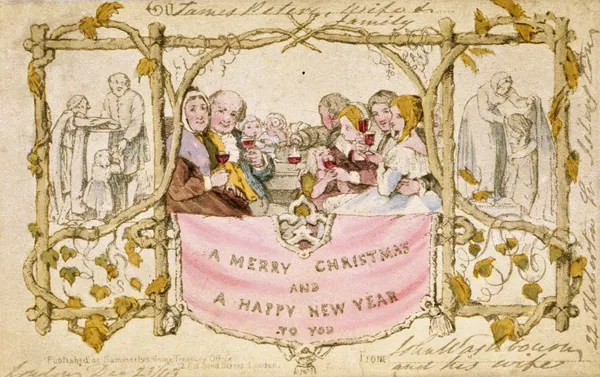
Which family history package can still arrive by Christmas, what to do if you are too late, and how to gather the starting details without asking the person.

His service record may have burned in 1940, but his number, his medal card and his battalion's war diary usually survive. How to find a First World War soldier in your family.
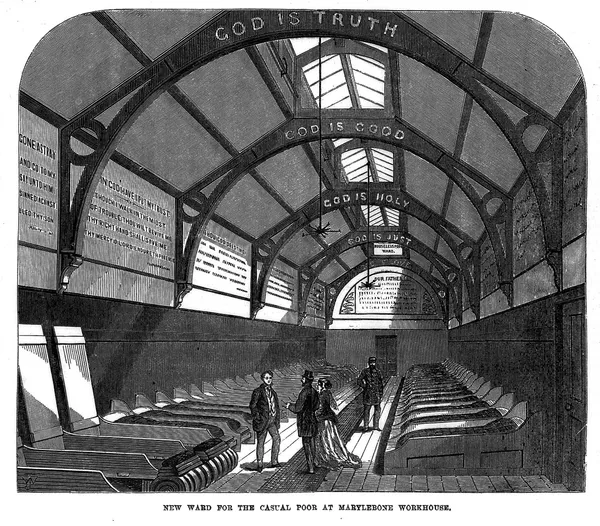
Families hid the workhouse so well that many descendants have no idea it is in their tree. The records know. Here is where to look, and why there is no shame in what you find.
A DNA test will not hand you a family tree. Used properly, it does something better: it proves whether the tree you have is true. Here is what the tests really deliver.
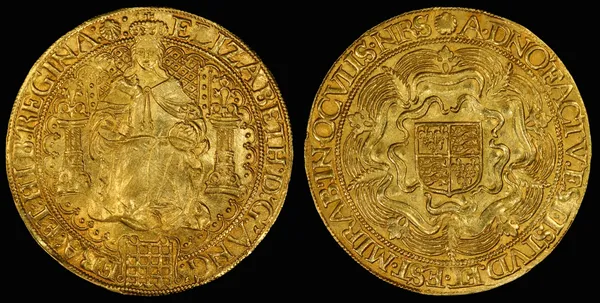
An honest guide to what family history research costs in the UK, how hourly billing works, and why I price my research differently.
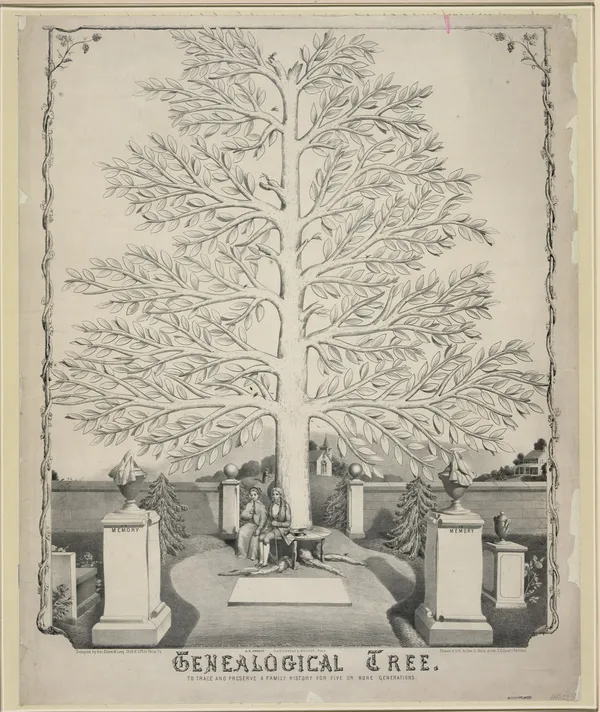
For the person who has everything, their own ancestors are the one thing nobody else can give. How a traced family tree works as a gift, and when to order one.

The fire at Dublin's Public Record Office destroyed centuries of Irish records. Here is what was lost, what survived, and how Irish family lines can still be traced.

Every family tree hits a wall eventually. After seventeen years of research, these are the methods I actually use when an ancestor refuses to be found.
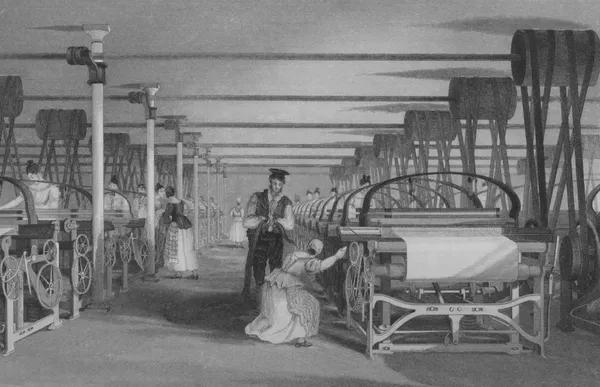
Weaver, spinner, piecer, tenter: if your family comes from Lancashire, the cotton industry is almost certainly woven into your tree. Here's how to find them.